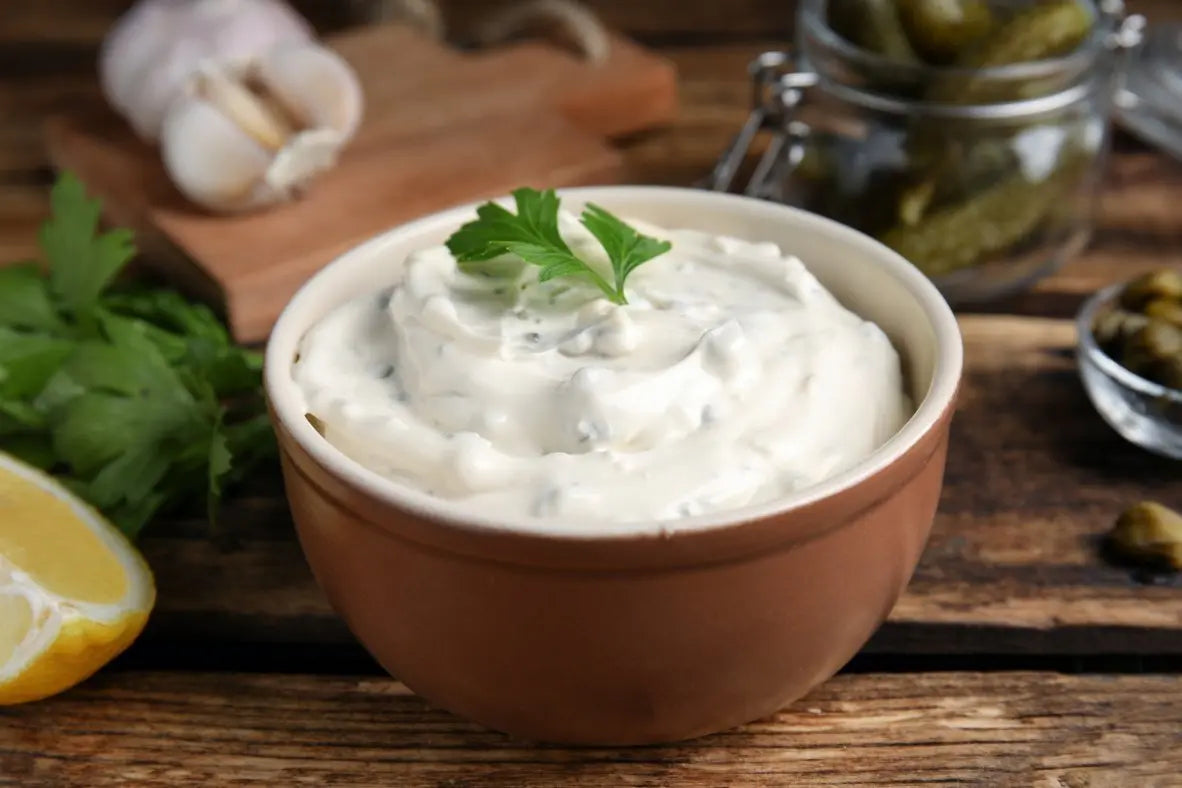
Beyond Mayo: Unlocking the Secret to Your Best Homemade Tartar Sauce
Forget everything you thought you knew about tartar sauce if your only experience comes from a jar. While convenient, store-bought versions often fall flat, delivering a bland, one-note flavor that simply doesn't do justice to your favorite seafood dishes. The truth is, crafting a truly exceptional tartar sauce at home is surprisingly simple, takes mere minutes, and will elevate everything from crispy fish sticks to succulent crab cakes to new culinary heights.
The magic of homemade tartar sauce lies in its vibrant, fresh, and deeply flavorful profile. It's a creamy, tangy condiment that provides the perfect counterpoint to rich seafood, cutting through fattiness and adding a refreshing zing. But what exactly transforms a simple mayonnaise base into this irresistible accompaniment? It's all about the key ingredients, carefully chosen and combined to create a symphony of textures and tastes.
The Essential Building Blocks: Core Ingredients for Superior Tartar Sauce
At its heart, tartar sauce is a mayonnaise-based creation. However, it's the supporting cast of ingredients that truly makes it shine. Let's dive into the foundational elements that define this classic condiment.
Mayonnaise: The Creamy Canvas
The choice of mayonnaise sets the stage for your entire sauce. While any store-bought brand will work, opting for a high-quality, full-fat mayonnaise provides the richest, most luxurious base. Full-fat mayo delivers an unparalleled creaminess and depth that light versions or plain yogurt—while viable low-calorie alternatives—simply can't replicate. For the ultimate indulgence, consider making your own mayonnaise from scratch. The fresh, rich flavor of homemade mayo elevates the entire tartar sauce experience, offering a superior texture and taste that store-bought simply cannot match. Regardless of your choice, ensure your mayonnaise is fresh for the best results.
Pickles (or Relish): The Tangy Crunch
This is where the signature tangy bite and delightful crunch of tartar sauce truly come into play. Finely chopped pickles are absolutely essential. We highly recommend using crisp, refrigerated dill pickles for their bright, tangy flavor and satisfying texture. If you prefer a sweeter sauce, bread and butter pickles or sweet pickles are excellent alternatives. Alternatively, a good quality sweet pickle relish can offer convenience, but we find that freshly chopped pickles provide a superior texture and more vibrant flavor. The key here is to chop them finely, ensuring that every spoonful of sauce delivers an even distribution of flavor and texture.
Fresh Lemon Juice: The Zesty Brightener
Never underestimate the power of fresh lemon juice in tartar sauce. It's not just an optional extra; it's a critical component. Freshly squeezed lemon juice introduces a vital burst of zesty acidity that cuts through the richness of the mayonnaise and brightens all the other flavors. It also helps to thin the sauce to the perfect drizzly, dipping consistency. The difference between fresh and bottled lemon juice is stark; always reach for a fresh lemon for that vibrant, natural tang that makes all the difference.
Capers: The Briny Secret Weapon
If you're wondering what truly distinguishes a homemade tartar sauce from its mass-produced counterparts, capers are often the answer. These tiny, briny flower buds, when roughly chopped, add an incomparable salty, tangy, and slightly floral dimension that is absolutely essential. Capers introduce a complex flavor profile and a subtle texture that elevates the sauce from good to truly incredible, contributing to that distinctive "restaurant quality" taste.
Elevating the Flavor: Boosters and Aromatic Additions
While the core ingredients lay the foundation, it's the thoughtful addition of herbs and savory boosters that transforms a good tartar sauce into an unforgettable one. These elements layer complexity and depth, making each bite a delightful experience.
Dill: The Classic Herbaceous Note
Dill is the quintessential herb for tartar sauce, imparting that unmistakable fresh, slightly anisy, and herbaceous aroma. Whether you use fresh or dried dill, its presence is non-negotiable for achieving that classic flavor profile. Fresh dill, finely chopped, offers a brighter, more aromatic contribution. If fresh dill isn't available, dried dill is a perfectly acceptable substitute, though you might need to use slightly less as its flavor is more concentrated. In a pinch, fresh parsley can also serve as a decent alternative, offering a clean, green note.
Dijon Mustard: The Unexpected Tang
A small but mighty ingredient, Dijon mustard adds an extra layer of nuanced tang and a subtle, sophisticated heat that really deepens the flavor of your tartar sauce. Trust us, this isn't an ingredient to skip! It melds seamlessly with the other flavors, providing a robust backbone without overpowering the sauce. Just a teaspoon or so can make a significant impact, enhancing the overall complexity.
Worcestershire Sauce: The Umami Enhancer
This might seem like an unusual addition to a creamy sauce, but a tiny dash of Worcestershire sauce is a true game-changer. Its fermented, savory notes act as a powerful umami enhancer, subtly bringing all the other flavors together and adding an incredible depth. It's the secret ingredient that makes your homemade tartar sauce taste exceptionally well-rounded and harmonious, an almost imperceptible background note that makes the entire sauce more satisfying.
Optional Enhancements: Minced Onion, Salt & Pepper
Some recipes call for a touch of finely minced onion or shallots, which can add a sharp, pungent freshness to the sauce. If you enjoy a more pronounced savory bite, this is a great addition. And, of course, no sauce is complete without basic seasoning. A pinch of salt and a grind of fresh black pepper are crucial for balancing all the bold flavors and ensuring your tartar sauce is perfectly seasoned to your liking.
Why Homemade Tartar Sauce Reigns Supreme and How to Perfect It
Once you experience the vibrant, fresh flavors of homemade tartar sauce, there's truly no going back. It’s not just about superior taste; it's about control over ingredients, customization, and the sheer satisfaction of creating something exceptional in your own kitchen. For an even deeper dive into quick preparation, check out our guide on Homemade Tartar Sauce: The 5-Minute Secret to Unbeatable Flavor.
Pro Tips for the Ultimate Tartar Sauce
- Chop Finely and Consistently: To ensure every dip is packed with flavor and texture, take the time to chop your pickles, capers, and fresh herbs into very small, uniform pieces. This guarantees an even distribution and avoids large chunks that can overwhelm a single bite.
- Give it Time to Mingle: While you can enjoy your tartar sauce immediately, it truly shines after a brief chill in the refrigerator. Allowing the sauce to sit for at least 15-30 minutes (or even an hour) gives all the individual flavors time to meld and deepen, resulting in a more cohesive and profound taste. This small step makes a monumental difference. For more expert advice, our article Chop & Chill: Insider Tips for Perfect Homemade Tartar Sauce offers invaluable insights.
- Taste and Adjust: Always taste your sauce before serving. You might find it needs a tiny bit more lemon juice for brightness, another pinch of salt, or a dash more dill. Homemade means you're the chef, so adjust to your personal preference!
- Storage Savvy: Store your homemade tartar sauce in an airtight container in the refrigerator for up to 3-4 days. Its fresh flavors are best enjoyed within this timeframe.
Beyond Seafood: Versatile Uses for Your Best Tartar Sauce
While tartar sauce is traditionally the perfect mate for deep-fried fish, fish sticks, poached salmon, or Maryland-style crab cakes, its versatility extends far beyond the seafood realm. Once you have a batch of this delicious condiment on hand, you'll discover countless ways to enjoy it.
- Dipping Delight: Serve it as a sophisticated dip for homemade chicken tenders, crispy potato fries, onion rings, or even fresh vegetable sticks.
- Sandwich and Wrap Enhancer: Spread a generous layer on your favorite sandwiches or wraps. It works wonderfully with turkey, chicken, or even a simple veggie sandwich, adding moisture and a tangy kick.
- Burger Booster: Use it as a zesty alternative to regular mayonnaise on your burgers, whether beef, chicken, or vegetarian.
- Potato Salad Twist: Stir a spoonful or two into your potato salad for an unexpected burst of flavor that will impress your guests.
Conclusion
Embarking on the journey to make your own tartar sauce is a culinary revelation. By understanding the role each key ingredient plays—from the creamy foundation of mayonnaise to the tangy crunch of pickles, the zesty brightness of lemon, the briny depth of capers, and the herbaceous touch of dill—you gain the power to create a condiment that far surpasses any store-bought alternative. It's quick, easy, infinitely customizable, and undeniably delicious. So, next time you're planning a meal that could use a touch of creamy, tangy perfection, skip the jar and whip up a batch of homemade tartar sauce. Your taste buds, and your guests, will thank you.
